Tag: dip

  • Spicy Corn Dip With Manzano Pepper

    Spicy Corn Dip With Manzano Pepper

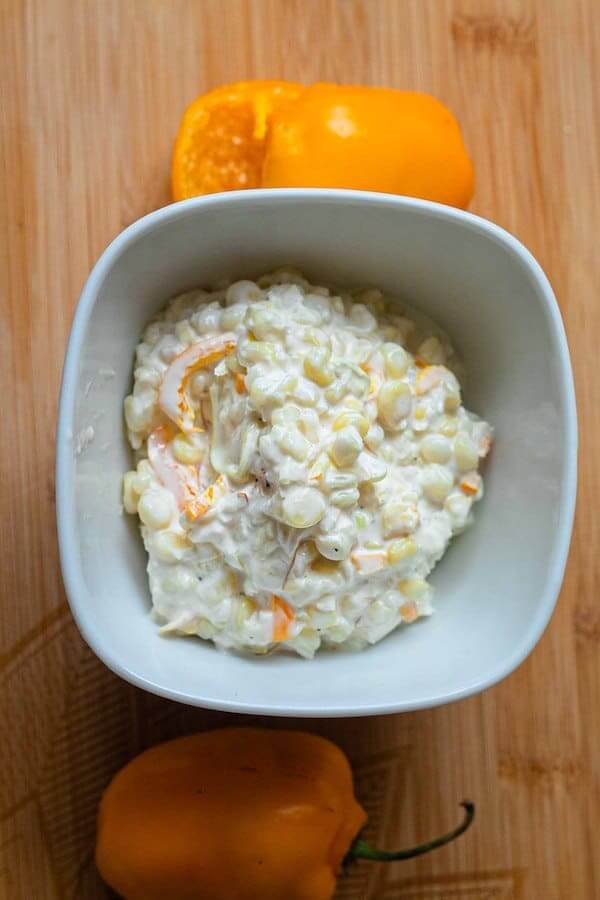
    Sweet, crunchy corn kernels coated in a creamy lime-spiked mayonnaise, studded with charred onion and the distinctive fruity heat of Manzano peppers — this dip disappears from the table faster than you can set it down. It is bold, fresh, and takes less than 30 minutes to make with only five ingredients.

    This post may contain affiliate links. If you purchase through these links, I may earn a small commission at no extra cost to you. Thank you for supporting Love & Harvest!

    Spicy Corn Dip with Manzano Pepper Recipe

    It is corn season and there are more ways to eat corn than BBQ corn on the cob with butter. This delicious spicy corn dip is so easy to make it will take you less than 30 minutes to prepare — and it only asks for five ingredients.

    This is a must-make for your next party or family gathering. Anyone who loves spicy food will fall in love with this recipe. After making it, corn just might become your new favourite seasonal vegetable.

    If you love spicy food, try our Easy Hummus Recipe or our Vegetarian Mango Soy Ceviche for more crowd-pleasing dips and sides.

    Ingredients

    Corn

    • Why use fresh seasonal corn: Summer corn is at peak sweetness and starch content. The kernels have a satisfying crunch and natural juiciness that frozen or canned corn cannot replicate. Any variety works — sweet corn, rainbow corn, or the starchy white corn common in Mexico. Whatever is local and fresh is the right choice.

    Manzano Peppers

    • Why Manzano over jalapeño: Manzano peppers have a unique fruity citrus character with a moderate-to-hot heat level — roughly twice as hot as jalapeños. Their black seeds and thick flesh hold up perfectly in a cooked dip. The flavour does not overwhelm the corn; it accents it. If you cannot find Manzano, jalapeño is an excellent substitute.

    White Onion

    • Why cook it first: Raw onion has a sharp, aggressive flavour that competes with the other ingredients. Sautéing the onion in oil first softens its bite, releases its natural sweetness, and creates a gentle fragrance that blends into the dip instead of fighting it.

    Mayonnaise

    • Why mayo works here: Mayonnaise binds all the flavours together with a creamy, slightly tangy base. For a lower-calorie option, swap it for full-fat or low-fat plain yogurt — the result is tangier and lighter but still delicious.

    Lime

    • Why fresh lime: Lime adds brightness and acidity that cuts through the richness of the mayo. For a stronger lime flavour, zest the skin directly into the dip. Bottled lime juice will work in a pinch but lacks the aromatic oils of fresh.

    Why You Will Love This Recipe

    • Easy recipe — cook the corn, cut the kernels off the cob, mix everything together. Done in under 30 minutes.
    • Crowd-pleaser — sweet corn is universally loved. Skip the Manzano peppers for a kid-friendly version.
    • Goes with everything — a great side dish for backyard BBQs, summer parties, and family gatherings. The best potluck food to bring.
    • Low cost — most ingredients are already in your fridge. Only the corn and Manzano peppers require a special trip.

    Frequently Asked Questions

    Can I use frozen or canned corn instead of fresh?

    Yes. Frozen corn works well — thaw it first and pat it dry so it does not water down the dip. Canned corn also works in a pinch; drain and rinse it thoroughly. Neither will have the same natural sweetness or texture as fresh peak-season corn, but both are perfectly acceptable shortcut options.

    How spicy is this dip?

    With Manzano peppers it has a genuine kick — moderate to hot. Manzano peppers are roughly twice as hot as jalapeños. For a milder dip, use only half a pepper, remove all the seeds carefully, or substitute with a small amount of jalapeño. For a non-spicy version, skip the peppers entirely and add a pinch of sweet smoked paprika for colour instead.

    Can I make this dip ahead of time?

    Yes. You can prepare the corn and the sautéed onion and peppers up to a day ahead and store them separately in the refrigerator. Mix everything together with the mayonnaise and lime just before serving for the freshest result. Once fully assembled, it keeps well for up to two days covered in the fridge.

    Can I serve this dip warm or cold?

    Both work. Served warm right after cooking, the dip is comforting and rich. Served cold after an hour in the refrigerator, it is refreshing and bright. For a summer outdoor party, cold is the way to go. For a cosy winter side dish, serve it warm.

    What is a good substitute for Manzano peppers?

    Jalapeño is the closest in texture and heat profile. For something fruitier and hotter, habanero works but use much less — habaneros are three to five times hotter than Manzano. Serrano peppers are also a good middle-ground option: hotter than jalapeño with a crisp, green flavour.

    spicy corn and Manzana Pepper Dip

    Spicy Corn and Manzano Pepper Dip

    Prep Time 15 minutes
    Cook Time 15 minutes
    Total Time 30 minutes
    Servings: 6 people
    Course: Side Dish
    Calories: 170

    Ingredients
      

    • 6 corn or sweet corn
    • 1-2 manzano peppers or jalapeno peppers
    • ¼ white onion
    • ½ cup mayonnaise or yogurt (fat free option)
    • 1 large lime juiced
    • 1 tsp salt to taste
    • black pepper to taste

    Method
     

    1. Wash and tear off the leaf of the corn if it has any. Cook the corn in their hot boiling water or steam it in an Instant Pot.
      Boiling water: Boil the corn for 10 minutes.
      Steam with Instant Pot: 10 minutes.
    2. Meanwhile, sliced the onions in thick slices, and thinly sliced the manzano peppers. In a pan, heat 2 tsp of oil and fry the onion and manzano peppers until soft and fragrance. Place them in a heat proof medium size bowl.
    3. Take out the corn and let it cool until it is ready to be handled. Use a sharp knife and cut the kernel off the corn. Place them in the same bowl with the onion and peppers.
    4. Mix the rest of the ingredient together: mayonnaise, lime juice, salt and pepper. Can be serve hot or cold.
  • Spicy Fermented Jalapeno Hot Sauce 🔥🔥🔥

    Spicy Fermented Jalapeno Hot Sauce 🔥🔥🔥

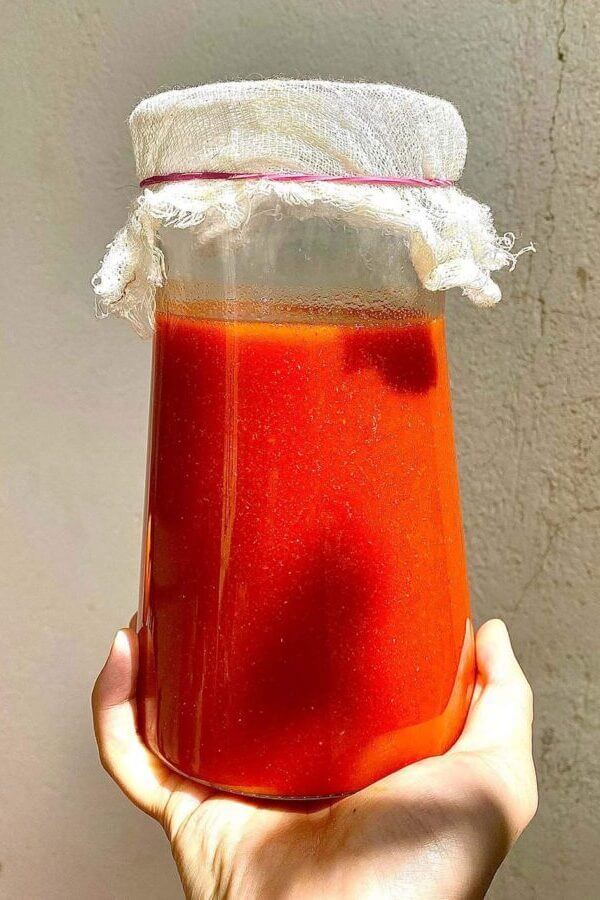
    If you have ever wanted to make your own hot sauce from scratch, this fermented jalapeño hot sauce is the place to start. It is tangy, sharp, and spicy — far better than anything you will find at the store — and the entire process is mostly hands-off. Your pantry will smell incredible while it works its magic over three months.

    This post may contain affiliate links. If you purchase through these links, I may earn a small commission at no extra cost to you. Thank you for supporting Love & Harvest!

    fermented jalapeno hot sauce

    This fermented jalapeño hot sauce is the base for many other recipes on this site. My BEST Juicy Fried Chicken uses it as a brine — it tenderizes the chicken while layering in incredible flavor. Once you have a jar in your fridge, you will find yourself reaching for it constantly.

    Essentially hot sauces like Tabasco use tabasco peppers fermented in vinegar for three years. We are doing something similar but accelerating the process with a rice koji ball, which adds depth of flavor and shortens the wait.

    What Does This Fermented Jalapeño Hot Sauce Taste Like?

    The flavor is tangy, sharp, and spicy with a complexity that vinegar-only sauces simply cannot match. The texture is naturally thick without any cornstarch or xanthan gum, and the color is a deep, vibrant red. After three months of fermentation, the heat mellows into something everyone at the table can enjoy.

    How to Pick Your Chili Peppers

    Red jalapeños are milder and sweeter than many other Mexican chilies, making this hot sauce accessible even to those who do not normally eat spicy food. Green jalapeños produce a grassier flavor profile while red ones lean sweeter and fruitier. The chart below shows a range of options from mild to very hot — experiment and find your preference.

    Chart of chilies from hottest to mildest: Moruga scorpion, ghost, habanero, bird's eye, cayenne, manzano, serrano, jalapeño

    What Is Fermentation?

    Fermentation is a process where microorganisms — bacteria, yeast, or fungi — convert sugars and starches into alcohol or acids. In vegetables and fruits, those sugars convert to lactic acid, which acts as a natural preservative and creates complex, slightly sour flavors. Historically, fermentation was used to preserve foods long before refrigeration.

    Many everyday foods are fermented: kimchi, miso, beer, bread, cheese, and much more. Lacto-fermentation specifically transforms raw spicy flavor through time, adding sour pungency and eventually fruity organic compounds. It also takes the harsh edge off aggressive heat.

    Why Ferment the Hot Sauce?

    We use a rice koji ball to quicken fermentation and add more flavor depth. The three stages are: one month (first fermentation), then two more months with vinegar, then blending and straining to finish. It takes time for hot sauce to bloom into a full palette of flavors — the slow process is what gives it that unmistakable umami depth.

    fermented jalapeno hot sauce vinegar stages

    Why You Will Love This Recipe

    • Tangy, sharp, and spicy — a flavor profile no store-bought sauce can replicate.
    • Mostly hands-off — a few minutes of prep, then time does the work for you.
    • Versatile marinade and condiment — works on everything from fried chicken to eggs to tacos.

    Ingredients

    Jalapeño Chilies

    • Why they work: Red jalapeños are less aggressive than other Mexican chilies. After fermentation the heat mellows further, making this accessible to most palates. Their natural sugars ferment into fruity acid notes that give the sauce its signature tang.

    You can find fresh red jalapeños at any Mexican or Latin grocery store. If you cannot find them fresh, look for them canned: wide-mouth mason jars are ideal for storing and fermenting your batch.

    Koji Rice Ball

    • Why it matters: Koji (Aspergillus oryzae) is the same culture used to make miso, sake, and amazake. It produces enzymes that break down proteins and starches, creating umami depth and speeding up the fermentation timeline compared to a plain salt brine.

    A recommended koji ball is the Hang Tai Marine Shanghai Yeast Ball. It smells sweet and yeasty with hints of chestnut and citrus. Find it online or at any Asian supermarket.

    Distilled White Vinegar

    • Why it works: Added after the first month, vinegar lowers the pH and stabilizes the sauce for longer shelf life. It also contributes the sharp tang that makes this hot sauce so addictive on everything.

    Coarse Sea Salt

    • Why it matters: Salt draws moisture from the peppers, creates the brine that enables lacto-fermentation, and inhibits harmful bacteria while letting the good lactobacillus cultures thrive. Do not substitute table salt — the iodine can interfere with fermentation.

    A good set of wide-mouth mason jars and fermentation weights will keep your peppers submerged and your ferment safe.

    jalapeno hot sauce recipe finished

    Frequently Asked Questions

    How long does the fermented jalapeño hot sauce last?

    Once bottled and refrigerated after the final blend and strain, this hot sauce keeps for up to 6 months in the fridge. The acidity from fermentation and the vinegar keeps it shelf stable once refrigerated.

    Can I use green jalapeños instead of red?

    Yes. Green jalapeños produce a grassier, more vegetal flavor profile. Red jalapeños ferment into a sweeter, fruitier sauce. Both work — the choice comes down to the flavor you prefer.

    Do I have to use a koji rice ball?

    The koji ball is optional but highly recommended. Without it the fermentation is slower and the umami depth is less pronounced. If you cannot find one, a plain salt brine fermentation for an additional two to four weeks will compensate somewhat.

    Why does my hot sauce smell so strong while fermenting?

    Active lacto-fermentation produces CO2 and aromatic compounds — that is the fermentation doing its job. A pungent, slightly sour, savory smell is completely normal. If you see pink or fuzzy mold (not white surface kahm yeast, which is harmless), discard and start over.

    Can I use fermentation lids instead of cheesecloth?

    Absolutely. Fermentation lids with airlocks make the process even more hands-off by automatically venting CO2 without letting oxygen in. This reduces the chance of surface mold and is a great upgrade if you ferment often.

    Is this hot sauce good for people who cannot eat very spicy food?

    Yes. Red jalapeños are mild to moderate on the Scoville scale, and fermentation mellows the heat further. Most people who find Tabasco too aggressive report this sauce to be very manageable and far more flavorful.

    fermented jalapeno hot sauce

    Spicy Jalapeño Hot Sauce

    Tangy fermented hot sauce that is great on everything. Fermented with rice goji ball giving it a subtler and often more interesting taste than other hot sauce. Texture that is naturally thicker without the use of cornstarch or xanthan gum. This 3 month long fermented hot sauce also takes some of the edge off harsh, aggressive spiciness, which can be a good thing.
    Prep Time 20 minutes
    Total Time 90 days 20 minutes
    Course: Condiment
    Calories: 10

    Ingredients
      

    • 1 kg fresh red jalapeños
    • 5.5 TBSP course sea salt
    • 1 TBSP dried rice koji ball (link) or half a dried rice koji ball
    • 8 cups distilled white vinegar

    Equipment

    • 3.5L fermenting jar / glass jar
    • cheesecloth
    • nylon mesh

    Method
     

    1. Wash and cut the stems from the jalapeños. I suggest for this process to wear gloves to protect your fingers from the chili.
    2. Roughly chop the peppers. Put them in a large bowl and those them with 3.5 TBSP course sea salt.
    3. In small amounts, put the peppers to a food processor and pulse until they are finely chopped but not in liquid pureed form (roughly about 10 pulses). Transfer all the chopped peppers to your fermenting vessel and fold in the rice goji. If you're using the fermented rice ball, just cut half the ball, and using your hands, crush it with your fingers, and sprinkle the crumbs at the top of the chopped peppers. Fold it in.
    4. Place a square cheesecloth on top and sprinkle the remaining 2 TBSP sea salt at the top evenly at the top of the cheesecloth. Cover the vessel with nylon mesh or a double layer of cheesecloth and secure with elastic band.
    5. Place the vessel away from sun, in a dark and cool place. Ferment for one month.
    After One Month
    1. Remove mesh and lift away and discard cheesecloth. The peppers should be a bright red at this time. Pour the vinegar over the mash. Replace the mesh, and secure it again with an elastic band. Place the hot sauce in a cool place and ferment for two months.
    After Two Months
    1. In small batches, transfer the hot sauce to a high speed blender and blend on high until smooth, 2 minutes. In a large bowl, put a strainer on top, and strain the liquid through. Discard the solids.
    2. Ladle the hot sauce into two clean 1 quart canning jars. Wipe the rims and thread clean, place the lids and rings on the jars, and tighten the rings then refrigerate. It will last in the fridge up to 6 months in the fridge.

    Notes

    This hot sauce goes well with everything.

    If you enjoyed this recipe, try these next: Salsa Macha from Veracruz, Easy Mexican Salsa Verde, or Bread and Butter Pickled Cucumbers — all recipes that use fermentation or preservation to build deep, complex flavor.