Tag: spicy

  • Delicious Meatless Spicy Peanut Noodle

    Delicious Meatless Spicy Peanut Noodle

    This vegetarian peanut noodle is so easy to make and RIDICULOUSLY delicious. The perfect umami slurp that’s meatless.

    veggie peanut butter noodles

    This post may contain affiliate links. If you purchase through these links, I may earn a small commission at no extra cost to you. Thank you for supporting Love & Harvest!

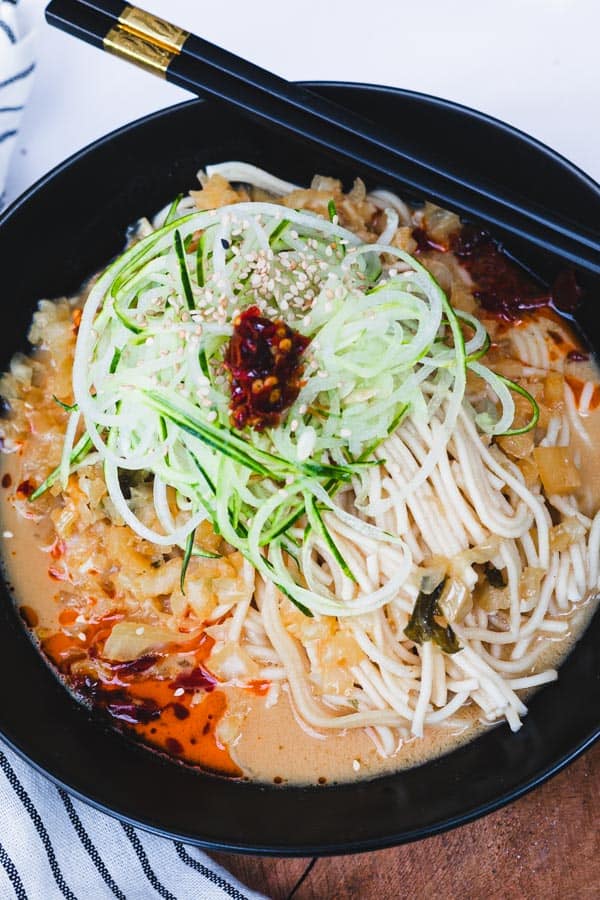
    My summer is never complete without making this vegetarian spicy peanut noodle with cooling cucumber. Imagine a nutty and tangy peanut noodle pasta served with a refreshing cucumber and sesame oil salad on top. This dish is the epiphany of what life is all about!

    Back a few years ago when I was teaching cooking classes in Mexico, this vegetarian Spicy Peanut Noodle with cooling cucumber recipe was one of my students’ favourite recipes. Till this day I have past students of mine messaging me and telling me this recipe had stuck with them for a long time and they are now feeding their children with the exact same recipe.

    It’s a humble experience knowing I’ve gifted them something that is now being passed down as a family meal. And now I want everyone to have the same experience as all my students once had.

    This recipe is easy and very good for a fast-paced family who are always on the go. It’s also a kid-friendly meal, minus the spice. My kids love this a lot and occasionally request it. If you know a child who loves peanut butter sandwiches and you can’t get them to eat anything else, this is what they need in their life. You will not struggle with time using this recipe!

    peanut noodles

    How Does It Taste?

    It is spicy, tangy, nutty, and thick. You can serve it hot or cold — the options are yours. In the summer I make it with less sauce so it just lightly coats the noodle. I bring it to picnic trips and road trips. Then I top it off with some cold cucumber sesame oil salad.

    In the winter I like it more hot and with more of the sauce to warm around the noodle, almost like a noodle soup. Sometimes I ladle a hot cup of chicken stock into the sauce so it thins out and turns it into a noodle soup. The recipe is super versatile.

    What Noodles Should I Use?

    Original Chinese noodles will do. DragonMall Wu Mu Noodles are a good option. They cook very easily and coat the peanut sauce well. They remind me a lot of how Shandong noodles are made and taste.

    If you don’t have access to these noodles you can make your own! I have my 3 minute homemade ramen noodle recipe here if you’re interested in going the extra mile. Regular spaghetti noodles also work if neither option is available — not the authentic style, but we do what we have to do. You could also try pairing this sauce with a simple noodle base like this spinach pasta for a creative variation.

    peanut noodle recipe

    Why You Will Love This Meatless Recipe

    • Easy Meal – it takes only 30 minutes to make this meal! You make your sauce all in the blender, toss it with some hot noodles, and lay the cucumber sesame oil salad on top.
    • Vegetarian and Vegan – Looking for a meatless meal that’s still delicious and cooling for summer and into fall? This recipe is perfect for something cooling to eat in the summer.
    • Have it hot or cold – yes, you can make it cold for summer days or hot for colder weather. There is no season preference.
    • It’s super tasty – in the sauce there’s soy sauce, garlic, peanut butter, and black vinegar. It has a super umami taste and a slurp of this bad boy is unreal.
    • The best slurp experience – who doesn’t love noodles? You’re going to get the best slurp experience with these noodles because they’re packed with flavour and spiciness you’ll truly enjoy. Then we add the cucumber salad to cool your tongue.

    vegan spicy peanut noodles

    How to Make the Spicy Peanut Noodle Sauce

    The sauce is made purposefully easy because we want to make it hassle free. Here are the simple steps:

    • In your blender add: soy sauce, peanut butter, garlic, ginger, sesame oil, peppers, vinegar, dark soy sauce, and chicken stock.
    • Cook the noodles as instructed. You do not need to rinse the noodles in water. The starch from the cooked noodles will help make the sauce thicker and coat it better.
    • Toss the sauce and noodle together.

    vegan thai peanut noodles

    How to Make the Cucumber Salad

    Easy and delicious cucumber salad. I use it to garnish the top of the noodles. Once you make it make sure to serve it immediately.

    • Wash the cucumbers, and slice off the ends. Using a vegetable peeler, start to slice it lengthwise to get these thin beautiful slices. Put them in a strainer to let the excess water run off.
    • Give them a good pat with a paper towel and soak up any excess water.
    • Toss the cucumber ribbons with sesame oil, salt, and sesame seeds.
    • Garnish on top of the noodles and try to build and fluff it up as high as possible on the noodle.

    To thinly cut the cucumber I am using the Vegetable Spiralizer to cut my cucumber perfectly.

    vegan peanut noodle bowl

    Ingredients

    Your Favourite Chili Oil

    If you have a favourite Asian chilli oil and don’t have much opportunity to use it, this is the time! This meatless peanut noodle goes well with any Asian chilli oil. Slather it in the soup or just add a small spoon on top. Whatever portion is perfect here.

    Peanut Butter

    I like to use smooth peanut butter. Chunky peanut butter is fine too. We are adding everything to the blender so the texture of peanut butter doesn’t matter here. For a sesame-forward variation, try tahini as a substitute — it gives the sauce a slightly nuttier depth.

    Salted Mustard

    This is a must for this dish. Do not skip it. Lots of the unknown umami flavour is from here. Pickled mustard is a bit strange in flavour on its own, but when added to other things like soup, it adds lots of dimensions of flavour!

    cold thai peanut noodles

    Soy Sauce

    To give this sauce the umami flavour, we are adding soy sauce. Uncooked soy sauce has a strong and special umami flavour that’s going to lift this sauce into its glorious taste.

    Ginger

    A small finger-tip size ginger helps round out the flavour of the sauce. We are using fresh ginger, not the dry powder form.

    Garlic

    Adding a couple cloves of garlic makes this sauce very tasty. If two is too much for your taste, just add one.

    Sesame Oil

    The toasty taste of sesame oil tells you right away this is an Asian dish! You have the option to add it in the blender or when you toss the noodle and sauce together.

    Vegetable Stock / Chicken Stock

    I give these two options because we all have different dietary restrictions. I love the taste of vegetable stock whether it is store-bought or homemade — I’d much prefer homemade if you ask me. When it is winter and I need to add more protein or bone-brothy goodness for the kids, I will add my homemade chicken stock. Store-bought chicken stock or chicken powder also works.

    Chinese Black Vinegar

    This is a common ingredient in Chinese cooking. We are adding a little bit of vinegar to get that tangy flavour. Black vinegar is a good option here.

    Cabbage

    To thicken and add texture to the sauce, we are adding some pre-boiled chopped cabbage. A pure liquid sauce to coat the noodles is not enough. To add some elegance and texture, we are adding cabbage and salted mustard.

    thai peanut noodles recipe

    Love noodle dishes? Try our homemade pesto gnocchi for another satisfying pasta night.

    Frequently Asked Questions

    Can I make this peanut noodle gluten-free?

    Yes! Swap regular soy sauce for tamari or a certified gluten-free soy sauce, and use rice noodles instead of wheat noodles. The flavour profile stays the same.

    Can I add protein to this meatless noodle?

    Absolutely. Tofu, edamame, or a soft-boiled egg all work beautifully. For non-vegetarians, shredded rotisserie chicken or sauteed shrimp are great additions.

    How long does the peanut sauce keep?

    Store leftover peanut sauce in a sealed jar in the refrigerator for up to 5 days. It will thicken as it chills — thin it back out with a splash of warm water or vegetable stock before using.

    Can I make this dish ahead of time?

    Make the peanut sauce and cucumber salad up to one day ahead and store them separately. Cook the noodles fresh when ready to serve for the best texture.

    What is Chinese black vinegar and can I substitute it?

    Chinese black vinegar (Chinkiang vinegar) has a deep, malty-sweet tang. The closest substitute is a mix of balsamic vinegar and a splash of rice vinegar. Regular rice vinegar on its own also works but the flavour will be lighter.

    Is this recipe suitable for kids?

    Yes, with adjustments. Simply omit or reduce the chilli oil and peppers for the kids’ portion. The base peanut sauce is kid-friendly and many children love the nutty noodle flavour.

    Spicy peanut noodles topped with cucumber ribbons and chili oil

    Meatless Spicy Peanut Noodle

    This Meatless Spicy Peanut Noodle recipe is a delicious bowl of slurp! Spicy, nutty, and tangy. A favourite among kids and adults. Print Recipe Pin RecipePrep Time:25 minsCook Time:15 minsCourse: Main CourseCuisine: ChineseKeyword: Spicy Meatless Peanut NoodleServings: 5 people

    Ingredients

    Peanut Sauce

    • 3 tbsp smooth peanut butter or tahini
    • ½ cup soy sauce
    • 2 cups vegetable stock
    • 2 garlic clove
    • ¼ inch fresh ginger
    • 1 tbsp chinese black vinegar
    • 500g Dried Asian noodles
    • 2 tbsp minced pickled mustard do not blend with the sauce
    • 1 tsp sesame oil
    • 1 tsp chilli oil

    Cucumber Salad

    • 2 medium size cucumber
    • 1 tsp sesame oil
    • 1 tsp sesame seed
    • ½ tsp sea salt add only when you're ready to serve

    Cabbage Side

    • ¼ small cabbage
    • 1 tsp salt
    • ½ litre water

    Instructions

    To Make Peanut Sauce

    • In a blender add the peanut sauce, soy sauce, vegetable stock, garlic, ginger, and black vinegar. Blend until smooth.

    To Make Cucumber Salad

    • Using the vegetable spiralizer, attach the cucumber and spiralize the cucumber into ribbons. Toss it with some sesame oil. Salt: do not add the salt until you're ready to serve. Salt will quickly turn the cucumber into mush.

    To Make the Cabbage Side

    • Take the food processor and add roughly cut cabbage into the machine. Pulse it a few times and turn it completely "on" to finely chop the cabbage. Add the chopped cabbage to boiling water with salt for 5 minutes. Strain the water and set it aside.

    Assemble the Noodle Soup

    • Meanwhile, cook the asian noodles you like. See package for instructions. Set the noodle aside in the bowl.
    • In a pot, add the peanut sauce and bring it to a boil. Add the minced pickled mustard, and cabbage. Cook for about 5 minutes. Test the soup for saltiness. If you think it's too salty, add some water to dilute it. Alternatively you can add non-salted vegetable broth as well.
    • Ladle the hot soup on to the noodles and add the cucumber salad on top.
    • Garnish with some salt on top of the cucumber salad (if desired), sesame seeds, sesame oil, and chili oil. Serve immediately.
  • Authentic Mapo Tofu Recipe: Generational Family Recipe

    Authentic Mapo Tofu Recipe: Generational Family Recipe

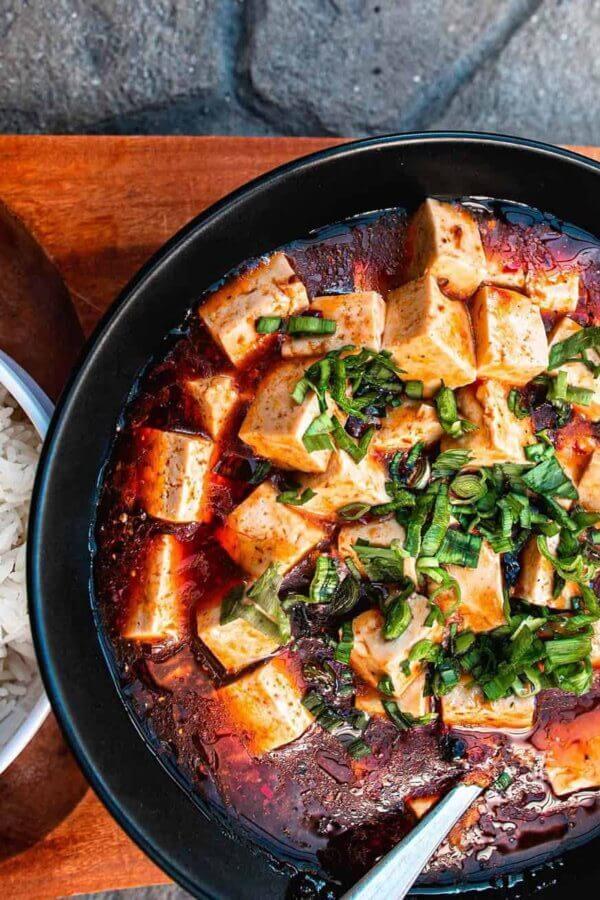
    Mapo tofu is the smell of home. One whiff of doubanjiang frying in hot oil with garlic and black beans and I am instantly transported back to a small cafeteria in Vancouver, eating a hot bowl of spicy tofu over steamed rice while wearing a white and orange ski jacket, completely broke, and completely happy. This is that recipe — the one my mom confirmed, the one a Chinese fast-food chef taught me, and the one that still makes bad days feel better.

    This post may contain affiliate links. If you purchase through these links, I may earn a small commission at no extra cost to you. Thank you for supporting Love & Harvest!

    Vegetarian Mapo Tofu

    This recipe is super versatile. It is already vegetarian as written. For a gluten-free version, use tamari instead of soy sauce, and a doubanjiang, cooking wine and black vinegar labelled gluten-free. You can make it soupier or starchier by adjusting the slurry, and you can dial the spice level up or down by using more or less doubanjiang and chili oil.

    This pairs beautifully with our Steam Preserved Vegetables with Pork or our Traditional Hong Kong Curry Chicken for a full Cantonese-style dinner spread.

    Why You Will Love This Mapo Tofu Recipe

    • Simple with easy instructions — there is a reason mapo tofu appears on every Chinese fast-food menu. It is fast, it is easy, and the results are authentic with only a few key sauces.
    • Reheat-friendly — the flavour is still exceptional after a day in the fridge. It reheats perfectly in the microwave — ideal for days when you need to be out the door quickly.
    • Authentic Cantonese home cooking — if you are looking for genuine Cantonese home-style cooking, mapo tofu is one of the most iconic and comforting recipes in that tradition.

    Ingredients

    Doubanjiang (Chili Bean Paste)

    • Why it is non-negotiable: Doubanjiang is the soul of this dish. It is a fermented paste made from broad beans, chili, and salt — deeply savoury, spicy, and complex. No other ingredient replicates its umami depth. There are spicy and non-spicy varieties; spicy is traditional. The Juan Cheng brand in the red plastic jar is the gold standard for home cooks.

    Doubanjiang Chili Bean Paste

    Dried Fermented Black Beans

    • Why they matter: These small preserved beans add a deeply savoury, earthy, slightly funky flavour that amplifies the doubanjiang without competing with it. They dissolve partially into the sauce and create an irreplaceable base note. Do not skip them or substitute with regular black beans — the fermented flavour is essential.

    Szechuan Peppercorns (optional)

    • Why they create the authentic numbing heat: The legendary “ma la” (numbing-spicy) profile of Mapo Tofu comes from Szechuan peppercorns. They create a unique tingling, almost electric sensation on the tongue that is completely different from regular chili heat. Grind them fresh and sprinkle on top just before serving.

    Szechuan Peppercorns

    Silken or Soft Tofu

    • Why texture matters here: Silken or soft tofu has a creamy, delicate texture that absorbs the sauce beautifully. Medium-firm tofu is the maximum firmness to use — anything firmer will not have the characteristic melt-in-your-mouth quality. Cut into 3/4-inch cubes and handle gently throughout cooking.

    Pro Tips

    Do Not Over-Stir

    Over-stirring will break the tofu and turn a beautiful cubed tofu stew into a murky mash. Use a slotted spoon and do slow, gentle circular stirs. Never use a fork or anything sharp.

    The Slurry Is Your Friend

    The cornstarch slurry (1 tsp cornstarch dissolved in 1/2 cup room-temperature water) thickens the sauce and coats every cube of tofu. Add it after the tofu and stir gently only once or twice — the sauce will tighten beautifully as it simmers.

    Also note: step 3 in the instructions should read “In a hot wok or pan” — “I’m a hot wok” in the original is a typo.

    Frequently Asked Questions

    Is this recipe actually Cantonese or Sichuan?

    Mapo Tofu originates from Sichuan province and is traditionally made with ground pork and Sichuan peppercorns. This version is a Cantonese adaptation — the way it has been cooked in Hong Kong-style homes and restaurants for generations. It is vegetarian, slightly less numbing, and uses a thicker sauce. Both are delicious and authentic within their respective traditions.

    Can I add ground pork to this recipe?

    Yes. Brown 100–150g of ground pork in the wok before adding the doubanjiang and black beans. The pork adds richness and protein and is how the traditional Sichuan version is made. Cook the pork until no longer pink, then proceed with the sauce as written.

    Why is my sauce not thickening?

    The slurry needs to reach boiling temperature to activate the cornstarch. Make sure the heat is turned up high enough for the pan to bubble after you add the slurry. If the sauce is still thin after 2 minutes of gentle simmering, mix another 1/2 tsp cornstarch with a tablespoon of cold water and add it to the pan.

    Can I make mapo tofu ahead of time?

    Yes. The sauce can be made up to 2 days ahead and stored in the refrigerator. Add freshly cut tofu when you reheat, as previously cooked tofu tends to become spongy. Reheat over medium-low heat and stir very gently.

    What is a good substitute for Chinese cooking wine?

    Dry sherry is the closest substitute and works very well. Mirin (Japanese rice wine) can also work but is sweeter — use a little less. If you want a non-alcoholic option, replace with chicken broth or vegetable stock plus a few drops of rice vinegar for acidity.

    How do I know when the tofu is heated through?

    When the sauce begins to bubble gently around the edges of the tofu, the tofu is heated through. At this point, turn the heat to low, cover with a lid, and cook for 10 minutes. The tofu will absorb the sauce and the flavours will deepen significantly.

    Authentic Mapo Tofu: The Way My Mom Made It

    Ma Po tofu is probably the easiest introduction to Chinese home cooking. It’s a delicious dish that will tickle all your taste buds, and my version is meat-free (the traditional one uses pork). It’s a warm, cozy dish for those colder days, like a warm tofu blanket that wraps your soul. Always served with a warm bowl of jasmine rice, it’s the kind of dish that makes you feel like you’re winning again in life, even on a bad day.
    Prep Time 10 minutes
    Cook Time 25 minutes
    Total Time 35 minutes
    Servings: 4 people
    Calories: 220

    Ingredients
      

    SLURRY
    • 1 TSP cornstarch
    • ½ cup room temperature water
    SAUCE
    • 3 TBSP canola or vegetable oil
    • 2-2.5 TBSP tablespoons doubanjiang link
    • 1 TBSP dried fermented black bean link
    • 2 TBSP garlic minced
    • 1 TBSP favourite chili oil (optional)
    • 1.5 TBSP soy sauce link
    • 1 TBSP Chinese cooking wine link
    • 2 TSP black vinegar link
    • ½ TSP brown sugar
    • 1 pound soft tofu 1 package
    • 1 stalk of green onions chopped
    • ½ TSP sesame oil link

    Method
     

    1. Prepare your tofu by slicing them into small cubes – 3/4-inch cubes. Set aside. 
    2. Prepare your slurry by mixing all the ingredients together. Set aside. 
    3. I’m a hot wok or pan, add oil. Fry the doubanjiang, black beans, garlic and ginger together until fragrant – 3 minutes.
    4. Slowly add the chili oil, soy sauce,  honest wine, black vinegar and sugar. Let it cook for another 5 minutes.
    5. Turn the heat to medium low and carefully add the tofu. Stir in the slurry and slowly with a spoon and try not to break the tofu.
    6. When the pan starts to bubble, turn the heat to low and put a lid on it and cook for 10 minutes.
    7. Serve with scallion on top and drizzle sesame oil on top. Serve with warm steamed rice. 
  • Spicy Fermented Jalapeno Hot Sauce 🔥🔥🔥

    Spicy Fermented Jalapeno Hot Sauce 🔥🔥🔥

    If you have ever wanted to make your own hot sauce from scratch, this fermented jalapeño hot sauce is the place to start. It is tangy, sharp, and spicy — far better than anything you will find at the store — and the entire process is mostly hands-off. Your pantry will smell incredible while it works its magic over three months.

    This post may contain affiliate links. If you purchase through these links, I may earn a small commission at no extra cost to you. Thank you for supporting Love & Harvest!

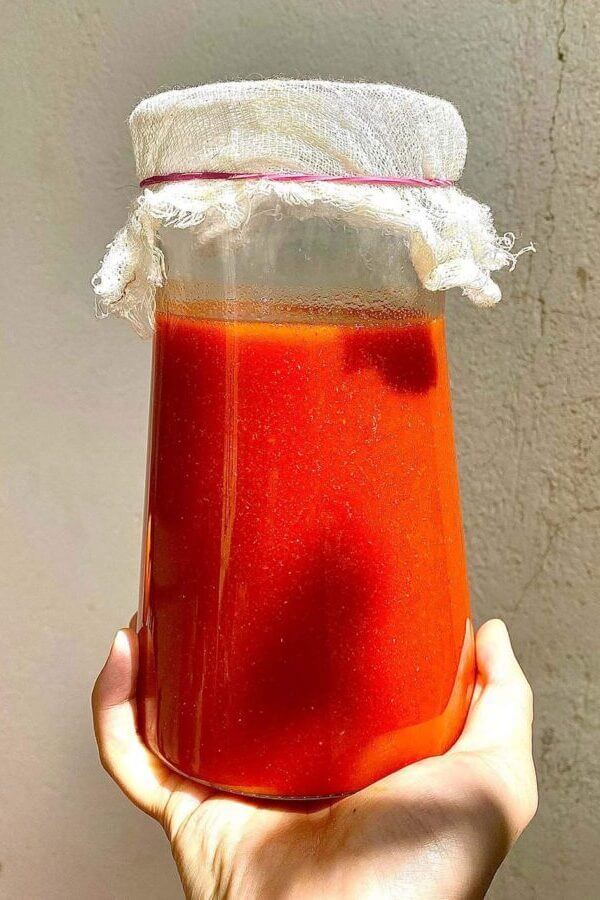
    fermented jalapeno hot sauce

    This fermented jalapeño hot sauce is the base for many other recipes on this site. My BEST Juicy Fried Chicken uses it as a brine — it tenderizes the chicken while layering in incredible flavor. Once you have a jar in your fridge, you will find yourself reaching for it constantly.

    Essentially hot sauces like Tabasco use tabasco peppers fermented in vinegar for three years. We are doing something similar but accelerating the process with a rice koji ball, which adds depth of flavor and shortens the wait.

    What Does This Fermented Jalapeño Hot Sauce Taste Like?

    The flavor is tangy, sharp, and spicy with a complexity that vinegar-only sauces simply cannot match. The texture is naturally thick without any cornstarch or xanthan gum, and the color is a deep, vibrant red. After three months of fermentation, the heat mellows into something everyone at the table can enjoy.

    How to Pick Your Chili Peppers

    Red jalapeños are milder and sweeter than many other Mexican chilies, making this hot sauce accessible even to those who do not normally eat spicy food. Green jalapeños produce a grassier flavor profile while red ones lean sweeter and fruitier. The chart below shows a range of options from mild to very hot — experiment and find your preference.

    Chart of chilies from hottest to mildest: Moruga scorpion, ghost, habanero, bird's eye, cayenne, manzano, serrano, jalapeño

    What Is Fermentation?

    Fermentation is a process where microorganisms — bacteria, yeast, or fungi — convert sugars and starches into alcohol or acids. In vegetables and fruits, those sugars convert to lactic acid, which acts as a natural preservative and creates complex, slightly sour flavors. Historically, fermentation was used to preserve foods long before refrigeration.

    Many everyday foods are fermented: kimchi, miso, beer, bread, cheese, and much more. Lacto-fermentation specifically transforms raw spicy flavor through time, adding sour pungency and eventually fruity organic compounds. It also takes the harsh edge off aggressive heat.

    Why Ferment the Hot Sauce?

    We use a rice koji ball to quicken fermentation and add more flavor depth. The three stages are: one month (first fermentation), then two more months with vinegar, then blending and straining to finish. It takes time for hot sauce to bloom into a full palette of flavors — the slow process is what gives it that unmistakable umami depth.

    fermented jalapeno hot sauce vinegar stages

    Why You Will Love This Recipe

    • Tangy, sharp, and spicy — a flavor profile no store-bought sauce can replicate.
    • Mostly hands-off — a few minutes of prep, then time does the work for you.
    • Versatile marinade and condiment — works on everything from fried chicken to eggs to tacos.

    Ingredients

    Jalapeño Chilies

    • Why they work: Red jalapeños are less aggressive than other Mexican chilies. After fermentation the heat mellows further, making this accessible to most palates. Their natural sugars ferment into fruity acid notes that give the sauce its signature tang.

    You can find fresh red jalapeños at any Mexican or Latin grocery store. If you cannot find them fresh, look for them canned: wide-mouth mason jars are ideal for storing and fermenting your batch.

    Koji Rice Ball

    • Why it matters: Koji (Aspergillus oryzae) is the same culture used to make miso, sake, and amazake. It produces enzymes that break down proteins and starches, creating umami depth and speeding up the fermentation timeline compared to a plain salt brine.

    A recommended koji ball is the Hang Tai Marine Shanghai Yeast Ball. It smells sweet and yeasty with hints of chestnut and citrus. Find it online or at any Asian supermarket.

    Distilled White Vinegar

    • Why it works: Added after the first month, vinegar lowers the pH and stabilizes the sauce for longer shelf life. It also contributes the sharp tang that makes this hot sauce so addictive on everything.

    Coarse Sea Salt

    • Why it matters: Salt draws moisture from the peppers, creates the brine that enables lacto-fermentation, and inhibits harmful bacteria while letting the good lactobacillus cultures thrive. Do not substitute table salt — the iodine can interfere with fermentation.

    A good set of wide-mouth mason jars and fermentation weights will keep your peppers submerged and your ferment safe.

    jalapeno hot sauce recipe finished

    Frequently Asked Questions

    How long does the fermented jalapeño hot sauce last?

    Once bottled and refrigerated after the final blend and strain, this hot sauce keeps for up to 6 months in the fridge. The acidity from fermentation and the vinegar keeps it shelf stable once refrigerated.

    Can I use green jalapeños instead of red?

    Yes. Green jalapeños produce a grassier, more vegetal flavor profile. Red jalapeños ferment into a sweeter, fruitier sauce. Both work — the choice comes down to the flavor you prefer.

    Do I have to use a koji rice ball?

    The koji ball is optional but highly recommended. Without it the fermentation is slower and the umami depth is less pronounced. If you cannot find one, a plain salt brine fermentation for an additional two to four weeks will compensate somewhat.

    Why does my hot sauce smell so strong while fermenting?

    Active lacto-fermentation produces CO2 and aromatic compounds — that is the fermentation doing its job. A pungent, slightly sour, savory smell is completely normal. If you see pink or fuzzy mold (not white surface kahm yeast, which is harmless), discard and start over.

    Can I use fermentation lids instead of cheesecloth?

    Absolutely. Fermentation lids with airlocks make the process even more hands-off by automatically venting CO2 without letting oxygen in. This reduces the chance of surface mold and is a great upgrade if you ferment often.

    Is this hot sauce good for people who cannot eat very spicy food?

    Yes. Red jalapeños are mild to moderate on the Scoville scale, and fermentation mellows the heat further. Most people who find Tabasco too aggressive report this sauce to be very manageable and far more flavorful.

    fermented jalapeno hot sauce

    Spicy Jalapeño Hot Sauce

    Tangy fermented hot sauce that is great on everything. Fermented with rice goji ball giving it a subtler and often more interesting taste than other hot sauce. Texture that is naturally thicker without the use of cornstarch or xanthan gum. This 3 month long fermented hot sauce also takes some of the edge off harsh, aggressive spiciness, which can be a good thing.
    Prep Time 20 minutes
    Total Time 90 days 20 minutes
    Course: Condiment
    Calories: 10

    Ingredients
      

    • 1 kg fresh red jalapeños
    • 5.5 TBSP course sea salt
    • 1 TBSP dried rice koji ball (link) or half a dried rice koji ball
    • 8 cups distilled white vinegar

    Equipment

    • 3.5L fermenting jar / glass jar
    • cheesecloth
    • nylon mesh

    Method
     

    1. Wash and cut the stems from the jalapeños. I suggest for this process to wear gloves to protect your fingers from the chili.
    2. Roughly chop the peppers. Put them in a large bowl and those them with 3.5 TBSP course sea salt.
    3. In small amounts, put the peppers to a food processor and pulse until they are finely chopped but not in liquid pureed form (roughly about 10 pulses). Transfer all the chopped peppers to your fermenting vessel and fold in the rice goji. If you're using the fermented rice ball, just cut half the ball, and using your hands, crush it with your fingers, and sprinkle the crumbs at the top of the chopped peppers. Fold it in.
    4. Place a square cheesecloth on top and sprinkle the remaining 2 TBSP sea salt at the top evenly at the top of the cheesecloth. Cover the vessel with nylon mesh or a double layer of cheesecloth and secure with elastic band.
    5. Place the vessel away from sun, in a dark and cool place. Ferment for one month.
    After One Month
    1. Remove mesh and lift away and discard cheesecloth. The peppers should be a bright red at this time. Pour the vinegar over the mash. Replace the mesh, and secure it again with an elastic band. Place the hot sauce in a cool place and ferment for two months.
    After Two Months
    1. In small batches, transfer the hot sauce to a high speed blender and blend on high until smooth, 2 minutes. In a large bowl, put a strainer on top, and strain the liquid through. Discard the solids.
    2. Ladle the hot sauce into two clean 1 quart canning jars. Wipe the rims and thread clean, place the lids and rings on the jars, and tighten the rings then refrigerate. It will last in the fridge up to 6 months in the fridge.

    Notes

    This hot sauce goes well with everything.

    If you enjoyed this recipe, try these next: Salsa Macha from Veracruz, Easy Mexican Salsa Verde, or Bread and Butter Pickled Cucumbers — all recipes that use fermentation or preservation to build deep, complex flavor.