Tag: bread

  • The best savoury Easy Rosemary Beer Bread

    The best savoury Easy Rosemary Beer Bread

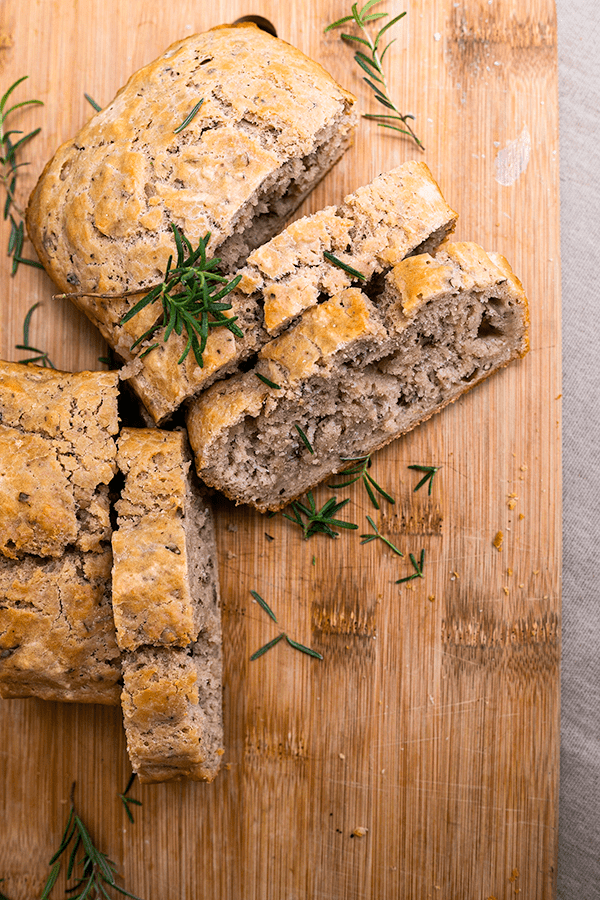
    This Easy Rosemary Beer Bread is the one recipe people always ask me about after they try it. No yeast, no kneading, no overnight fermentation — just one loaf pan and about an hour. The combination of rosemary, beer, and toasted walnuts gives it a depth of flavour that most people do not expect from such a fast bread. Slather it with fresh butter and a pinch of sea salt and you will understand why my aunt requests this every single time she visits.

    This post may contain affiliate links. If you purchase through these links, I may earn a small commission at no extra cost to you. Thank you for supporting Love & Harvest!

    easy rosemary bread no yeast

    This post is all about no-knead bread with rosemary and beer — the best savoury bread that is super easy to make.

    My Story

    A few years ago when I was visiting an aunt from Texas, she showed me her large rosemary bush at the front of her house. She was very proud it grew so large on its own. She asked me to make something with it because she had so much. This artisan bread always brings me back to that day. She loves this bread so much that every time she visits me in Mexico she asks if I have time to make it — and now I just always show up with a loaf without her ever needing to ask.

    Easy Rosemary Beer Bread

    Ingredients Deep-Dive

    Ingredients

    Flour

    The recipe calls for all-purpose white flour. You can substitute whole wheat, but do not go 100% whole wheat — it will make the bread dense and heavy. A 50/50 blend of all-purpose and whole wheat gives you a slightly nuttier loaf without sacrificing the texture.

    • Why it matters: All-purpose flour has the right protein content to give the bread structure without making it tough. Since there is no kneading here, the flour does all the structural work on its own.

    Beer

    One 12oz can or bottle of beer. Any beer works — lager, ale, stout. Each will give a slightly different flavour. A light lager gives a mild, slightly hoppy note. A dark stout gives a richer, almost caramel-like depth.

    • Why it matters: The carbonation in beer acts as a natural leavening agent, working alongside the baking powder to give the bread lift. The sugars in the beer also contribute to the golden crust. Without the beer, you do not have this recipe.

    Rosemary

    Fresh chopped rosemary is preferred — 1 tablespoon. If using dried, reduce to 1 teaspoon. The recipe also works with dried dried rosemary if you do not have fresh on hand.

    • Why it matters: Rosemary’s piney, woodsy aroma is the signature of this bread. It pairs perfectly with the malt from the beer and the butter on top. Fresh rosemary is more fragrant, but dried is perfectly fine in this recipe.

    Walnuts

    A quarter cup of chopped walnuts adds texture and a pleasant bitterness that rounds out the sweetness from the sugar.

    • Why it matters: The walnuts give this bread a rustic, artisan quality. They create little pockets of crunch that contrast beautifully with the dense, tender crumb. Do not skip them.

    Baking Powder

    Three teaspoons. This is the primary leavening agent — no yeast required.

    • Why it matters: Baking powder reacts with liquid and heat to produce CO2 bubbles that make the bread rise. Because we are not using yeast, the oven does all the heavy lifting. This is why the recipe does not need fermentation time — the chemistry is instant.

    Loaf Pan

    A nonstick bread loaf pan is all you need. I love mine from this nonstick loaf pan set — it comes in two identical pans, which is great for making double batches. The consistent size ensures even baking every time.

    • Why it matters: This recipe is so hydrated that it needs to be contained in a loaf pan to hold its shape during baking. Unlike yeasted breads that can be shaped and hold themselves, this batter is more like a thick cake batter than a classic dough.

    rosemary bread recipes

    Stand Mixer and Baking Tips

    For this recipe you will need a stand mixer with a dough hook. It makes the dough come together much faster. I personally use the KitchenAid 7 Quart Stand Mixer — it doubles as an assistant for pies, cookies, cakes, pasta, and more.

    Oven Temperature

    The oven needs to reach 350°F. Most breads require 400–450°F, but because we are using baking powder instead of yeast, the bread does not need that intense pull of heat. Lower and slower is the right approach here — it is closer to cake baking than bread baking.

    Cut the Bread Only After It Is Completely Cooled

    This is the hardest part. When the bread comes out of the oven, it is still cooking on the inside as it cools. Cutting into it too soon causes the inside to be undercooked and gummy, and releases all the moisture into the open air. Wait until it is fully cool — your patience will be rewarded.

    rustic rosemary bread

    If you love baking bread, try our Sourdough Bread, our Easy Homemade Focaccia, or our Fluffy Naan Bread.

    A hand holding two halves of rosemary beer bread showing the crumb

    Easy No-Knead Rosemary Beer Artisan Bread

    Print Recipe
    Pin Recipe
    Prep Time:10 minsCook Time:50 minsTotal Time:60 mins

    Ingredients

    • 3 cups all purpose flour sifted
    • 3 tsp baking powder
    • 1 tsp salt
    • ¼ cup sugar
    • ¼ cup chopped walnut
    • 1 tbsp fresh chopped rosemary or 1 tsp dried rosemary
    • 1 12oz beer
    • ⅓ cup melted butter for top of bread before baking

    Instructions

    • Preheat oven to 350°F and place the rack at the middle of the oven.
    • Grease a large loaf pan with spray or butter. Set aside.
    • Using a stand mixer with the dough hook attachment, place all the dry ingredients together. Mix for 1 minute.
    • With the machine running on medium-low, slowly pour the can of beer into the batter.
    • Place the batter into the greased pan and drizzle the melted butter on top. Run a knife along the edges so the butter touches all the sides.
    • Place the pan on the middle rack and bake for 50 minutes until the top is slightly golden brown.
    • Allow the bread to cool completely before cutting.

    Frequently Asked Questions

    Can I make this rosemary bread without beer?

    Technically yes, but the result will be quite different. The beer contributes both leavening (from carbonation) and flavour (malt and hops). If you want to substitute, use sparkling water or club soda for the leavening effect, though the bread will be more neutral in flavour. Ginger ale can work as a semi-sweet alternative.

    Does the bread taste like beer?

    Not strongly. The beer flavour mellows significantly during baking — what remains is a subtle, slightly malty background note that pairs beautifully with the rosemary. If you use a very dark beer like a stout, you will taste it more. If you use a light lager, it is barely detectable.

    Can I substitute the all-purpose flour for whole wheat?

    Partially, yes. A 50/50 blend of all-purpose and whole wheat flour works well and adds a nuttier flavour. Going 100% whole wheat will make the bread very dense. If you want a lighter whole grain option, spelt flour at a 1:1 substitution produces a better texture than whole wheat.

    Why does my bread come out gummy in the middle?

    Almost always this is because the bread was cut before it was fully cooled. The interior continues to cook and set as the loaf cools on the counter. Cutting it hot releases the steam and moisture prematurely, leaving the crumb gummy. Wait at least 45 minutes after taking it out of the oven before slicing.

    Can I add other herbs or mix-ins?

    Yes. Thyme, sage, or a combination of herbs all work well. You can also add grated Parmesan or sharp cheddar into the batter for a cheesy herb bread. Sun-dried tomatoes and olives are another great combination. Keep add-ins to about 1/3 cup total to not overwhelm the structure.

    How do I store this rosemary beer bread?

    Wrap the cooled loaf in a clean kitchen towel or beeswax wrap and store at room temperature for up to 2 days. For longer storage, slice the loaf, freeze the slices in a zip-lock bag, and toast directly from frozen. Avoid storing in plastic wrap at room temperature — it traps moisture and makes the crust go soft.

  • Easy Homemade Focaccia Bread

    Easy Homemade Focaccia Bread

    There is something deeply satisfying about making your own focaccia. The moment you poke those dimples in the dough, drizzle on the olive oil, and pull that golden, crackling sheet from the oven — it is an experience that no store-bought bread can replicate. This easy focaccia recipe is soft, airy, gloriously fluffy, and requires almost no skill. If you have a stand mixer and a little patience, you can make this tonight.

    This post may contain affiliate links. If you purchase through these links, I may earn a small commission at no extra cost to you. Thank you for supporting Love & Harvest!

    easy homemade focaccia bread golden crust

    Bread making has been part of human civilization for thousands of years. There is a reason it feels so deeply satisfying to bake your own loaf — it connects you to something ancestral and primal. I find real solace in baking bread for my family. The aroma fills the house, the kids want to help poke the dough, and the act of breaking into a fresh loaf together is a small ritual worth protecting.

    Why You Will Love This Focaccia

    • Easiest bread recipe — soft, easy to cut, with a crunchy salt-and-rosemary top that delivers incredible texture and flavor.
    • Flexible schedule — prepare the dough in the morning and bake at night, or let it ferment overnight and bake fresh the next day.
    • Fully customizable toppings — the sea salt blend is my favorite, but you can go savory with olives and sun-dried tomatoes, or keep it simple with just olive oil and herbs.
    • Kids love making it — poking the dimples in the dough before it bakes is genuinely fun for children of any age.

    focaccia bread dimples olive oil

    Topping Options

    The standard sea salt blend (salt, black pepper, rosemary, chili flakes) is my go-to and the base recipe below. But focaccia is one of the most creative-friendly breads you can make. Other options that work beautifully:

    • Olives, sun-dried tomatoes, rosemary, and olive oil
    • Capers, red onions, and olive oil
    • Oregano, thyme, cherry tomatoes, and olive oil
    • Fresh rosemary and flaky sea salt only (classic and elegant)

    focaccia bread topping options

    Ingredients

    Flour (All-Purpose and Whole Wheat Blend)

    • Why the blend works: All-purpose flour creates the open, airy structure while whole wheat adds fiber, density, and a nutty flavor complexity that plain white focaccia lacks. The higher protein in whole wheat also contributes to a slightly chewier, more satisfying bite. The ratio (815g white to 160g whole wheat) keeps the bread accessible without making it heavy.

    A kitchen scale is essential for this recipe — weighing your flour removes all the variability from cup measurements and ensures a consistent dough every time.

    Olive Oil

    • Why only olive oil: Focaccia is an Italian bread built on olive oil — both inside the dough and generously drizzled on top before baking. Olive oil contributes a distinctive fruity, slightly peppery flavor that is irreplaceable. Do not substitute canola, sunflower, or any neutral oil. The olive oil on top also creates the crispy, golden crust that defines great focaccia.

    Sea Salt

    • Why quality matters: The salt inside the dough controls fermentation and develops gluten. The salt on top — preferably a flaky, crunchy sea salt — creates the addictive textural contrast that makes you tear off just one more piece. The Celtic Sea Salt ground variety is excellent inside the dough; use a flaky finishing salt on top if you have one.

    Instant Yeast

    • Why instant yeast: Instant yeast activates immediately when it contacts the water and flour — no pre-dissolving required. It works reliably across a wide temperature range and gives you a predictable, consistent rise. The small amount (7g) in this recipe is intentional — less yeast means a slower, longer fermentation that builds far more complex flavor.

    focaccia bread sandwich made at home

    Professional Tips for a No-Fail Focaccia

    Pro Tip 1 — Patience Is Everything

    This recipe rewards patience above all else. There is almost no active work — the stand mixer kneads, the yeast rises, time does the fermentation. The more time you give the dough (especially the overnight fridge fermentation), the more complex and flavorful the final bread will be.

    Pro Tip 2 — Use a Stand Mixer

    The dough hook does all the kneading. This is what makes the recipe truly hands-off. Use the hook attachment only — not the paddle, not the whisk. Mix on medium speed: first 10 minutes with water and yeast, then 5 minutes after adding salt, then 5 more minutes after adding olive oil. A KitchenAid 7 Qt Pro Line stand mixer is a good option.

    Pro Tip 3 — Fermentation Container

    For the full-day counter fermentation, leave the dough in the stand mixer bowl covered with plastic wrap. For overnight fridge fermentation, transfer to a large clear container with a lid so you can monitor the rise without disturbing the dough. A 6 qt clear storage container works perfectly.

    Frequently Asked Questions

    Can I make this focaccia without a stand mixer?

    Yes, but be prepared for a workout. The dough is quite wet and sticky — that high hydration is what makes the bread so airy. If mixing by hand, work the dough for at least 15–20 minutes until smooth and elastic. Wet hands help prevent sticking.

    How do I know the focaccia is fully baked?

    The top should be deep golden brown and the edges should be pulling away from the pan slightly. The bottom (lift a corner with a spatula) should also be golden, not pale. The internal temperature should reach 200–210°F (93–99°C).

    Why does my focaccia come out dense instead of airy?

    The most common causes are: not giving the dough enough time to rise, using water that is too hot (kills the yeast), not measuring ingredients precisely (use a scale), or pressing the dough too hard when dimpling (be gentle — you want to preserve the gas bubbles).

    Can I freeze focaccia?

    Yes. Cool completely, slice, wrap individual pieces in parchment, then freeze in a zip-lock bag for up to 2 months. Reheat directly from frozen in a 375°F oven for 8–10 minutes.

    What is the best way to serve focaccia?

    Tear it and dip it into extra virgin olive oil mixed with balsamic vinegar. Use it as sandwich bread for picnics. Serve alongside soups and stews for dipping. It is also excellent with fresh mozzarella and roasted tomatoes.

    Can I make this recipe with sourdough starter?

    Absolutely. Replace the instant yeast with 150g active sourdough starter, reduce water slightly, and extend the bulk fermentation to 6–8 hours at room temperature or 12–16 hours in the fridge. See the sourdough bread guide for reference on starter ratios and timing.

    Golden homemade focaccia bread with herbs on a baking tray

    Easy Focaccia Bread

    Easy homemade focaccia bread that is soft, airy, and delicious with every bite. Great to use as a dipping bread with your favourite sauce or to make your favourite sandwich. It’s perfectly soft and fluffy and satisfyingly chewy. It’s sprinkled with lots of flaky sea salt herbs, and spice. Drizzled with extra olive oil, and soaks perfectly into all of those little classic holes that you have poked in the bread.
    Prep Time 15 minutes
    Cook Time 25 minutes
    Total Time 5 hours 40 minutes
    Course: Bread
    Cuisine: Italian
    Calories: 210

    Ingredients
      

    • 815 g white flour
    • 160 g whole wheat flour
    • 830 g warm water
    • 5 g sugar
    • 7 g instant dry yeast
    • 20 g sea salt blend (see below)
    • 20 g olive oil
    Sea Salt Blend (1 serving)
    • 1 tbsp sea salt
    • 1 tsp black pepper
    • 1 tbsp dried rosemary
    • 1 tbsp dried chili flakes
    Sea Salt Blend (small jar)
    • ¼ cup sea salt
    • 1 tbsp black pepper
    • 3 tbsp dried rosemary
    • 3 tbsp dried chili flakes

    Equipment

    • stand mixer
    • large 13 x 18" baking sheet

    Method
     

    1. in a stand mixer, add the flour and whole wheat flour together.
    2. Using a dough hook attachment, slowly add the warm water, yeast, and sugar together with the flour. Mix on medium speed for 10 minutes. Occasionally use a scraper and scrape down the sides so all the flour is well incorporated in the dough.
    3. Add the salt and mix for another 5 minutes.
    4. Add the olive oil and mix for another 5 minutes.
    5. In a large container, put the dough inside and drizzle some oil on top and on the side. Close the lid or wrap the top with plastic.
    To bake at night on the same day
    1. Start your process at 10am. Leave the dough on the counter top and let it rise for 3 hours. After punch the gas out of the dough and fold the dough. Let it rise again for another 2 hours.
    2. After the last rise, spray the baking sheet with oil, and fold the dough inside. stretch the dough until it is even and has stretch to all sides of the baking sheet. Wrap it in plastic and let it ferment on it's last rise for 2 hours.
    To bake in the morning for the next day
    1. Start your process anytime at night: In a 3-4qt container, generously spray with oil along with a drizzle of olive oil. Toss the dough and cover with a greased lid.
    2. Place in the fridge for 8-12 hours
    3. Spray oil in the large baking tray and fold the dough into the baking sheet. Stretch the dough until its even at the top and stretch the dough to all sides of the baking sheet. Wrap it in plastic and let it ferment on it's last rise for 3 hours.
    Baking
    1. Once the dough has finished the last rise. Preheat oven 500-550F.
    2. Once ready to go in the oven, drizzle generously with 20g of olive oil at the top and sprinkle the sea salt blend. Poke some holes using your fingers on the top of the bread evenly.
    3. Bake for 20-25 minutes.

    If you love baking your own bread, try the Crusty Artisan Purple Yam Bread or the Savoury Rosemary Beer Bread — two more recipes where simple ingredients and a little patience produce extraordinary results.