Tag: Authentic

  • Authentic Strawberry and Nutella Mexican Bolis Recipe

    Authentic Strawberry and Nutella Mexican Bolis Recipe

    If you grew up in Mexico or married into a Mexican family, you know bolis. These frozen tubes of creamy, flavoured milk are a summertime ritual — pulled from the freezer at family gatherings, argued over, and eaten before dinner. This recipe comes straight from the hands of a family matriarch who has been making them for decades. Strawberry and Nutella side by side in one batch.

    This post may contain affiliate links. If you purchase through these links, I may earn a small commission at no extra cost to you. Thank you for supporting Love & Harvest!

    mexican bolis recipe

    Planning dinner too? My free PDF has seven easy family dinners for the weeknight table. Send me the free dinners

    What Are Mexican Bolis?

    Bolis are homemade Mexican ice pops frozen inside small plastic bags and tied at the top. Unlike a popsicle on a stick, you bite the corner off the bag and squeeze the frozen treat out as you eat. The base is a creamy milk mixture — dried milk, evaporated milk, and condensed milk — that stays smooth and creamy even fully frozen. They are popular at family gatherings, school events, and weekend markets across Mexico.

    mexican bolis in english

    Ingredients Deep-Dive

    The Triple-Milk Base

    • Why three types of milk: Each milk plays a specific role. Dried milk adds body and richness without adding liquid. Evaporated milk contributes concentrated dairy flavour and a creamy, slightly caramelised note. Condensed milk provides sweetness and a thick, smooth texture that prevents iciness when frozen. Together they create a base that is far creamier than any single-milk version.

    Use Carnation Dried Milk, Carnation Evaporated Milk, and Nestle La Lechera Condensed Milk for the most authentic Mexican flavour profile.

    Strawberry Pulp (Cooked, Not Raw)

    • Why cook the strawberries first: Cooking concentrates the strawberry flavour, breaks down the pectin for a smoother texture after blending, and reduces the water content so the frozen boli does not develop large ice crystals. Raw strawberry puree freezes icier and with a weaker flavour.

    Nesquik Chocolate Milk Powder

    • Why Nesquik for the Nutella version: The Nesquik powder dissolves smoothly into the cold milk base without seizing, giving the chocolate boli a mild, sweet cocoa flavour that complements the Nutella without overpowering it.

    Find it here: Nesquik Chocolate Milk Powder.

    The Boli Bags

    • Why specific bag size: The 8x26cm bags are the traditional size used across Mexico. They give you the right volume per serving and enough room at the top to tie a secure knot. Fill only to 3/4 capacity — the liquid expands slightly as it freezes, and you need room to tie the top without making a mess.

    If you are making bolis in the US, popsicle mold bags are a good alternative if the traditional bags are unavailable.

    The links below are Amazon affiliate links. If you buy through them, I may earn a small commission at no extra cost to you.

    Recommended tools

    Any comparable funnel, strainer and blender work.

    Other Flavour Ideas

    Once you have the base down, the flavour possibilities are unlimited. Some combinations worth trying:

    • Mamey and banana
    • Purple yam and shredded coconut
    • Coconut milk with rice (dairy-free)
    • Mango with sago tapioca
    • Horchata with rice pudding
    • Almond extract with cinnamon

    Frequently Asked Questions

    What is the difference between Mexican bolis and paletas?

    Paletas are Mexican ice pops frozen on a stick, typically made with fruit puree or cream. Bolis are frozen in a plastic bag with no stick — you squeeze the contents up as you eat. Bolis tend to have a creamier, milkier base while paletas can be either fruit or cream-based. Both are beloved, but bolis have a distinctly homemade, family-gathering quality to them.

    How long do bolis take to freeze completely?

    Allow a minimum of 6–8 hours, but overnight is best. The thicker the milk mixture, the longer it takes to freeze solid. Do not rush it — a partially frozen boli is a soggy mess.

    Can I make bolis without popsicle bags?

    Yes — popsicle molds work. Small zip-top bags also work if sealed tightly. The traditional bag format is part of the experience, but the recipe itself works in any freezer-safe container. Silicone ice pop molds will give you a cleaner presentation.

    Can I make dairy-free bolis?

    Yes. Replace the dried milk, evaporated milk, and condensed milk with full-fat coconut milk and coconut condensed milk. The base will be slightly less thick but still creamy and delicious. Coconut milk with mango is a particularly good combination.

    How long do Mexican bolis keep in the freezer?

    Up to 2 months in the freezer. After that, the milk fats can start to separate and the texture becomes less smooth. They are best eaten within the first 2–3 weeks for optimal creaminess.

    Why do my bolis taste icy instead of creamy?

    The most common cause is too much water in the mixture. Make sure your strawberry pulp is fully reduced before adding it to the milk base. Also ensure you are using condensed milk, not regular sweetened milk — the condensed milk’s lower water content is what prevents iciness.

    For more frozen dessert ideas, try the easy blueberry ice cream or homemade strawberry ice cream recipes.

    Frozen Strawberry and Nutella Bolis

    Strawberry and Nutella Frozen Mexican Bolis

    Prep Time 45 minutes
    Servings: 12 bolis (approximately)
    Course: Dessert
    Cuisine: Mexican
    Calories: 280

    Ingredients
      

    • 340g dried milk
    • 2L warm water
    • 1 can evaporated milk
    • 2 can condense milk
    • 4 tbsp Nesquik chocolate milk powder
    • ¼ cup Nutella
    Strawberry Pulp
    • 2.5 cups frozen or fresh strawberries reserve half cup on the side
    • 1 cup sugar
    • 1 tsp vanilla
    • 1 tsp lemon juice
    • 3-5 drops red food colouring optional

    Equipment

    • Basic Food Scale

    Method
     

    Strawberry Pulp
    1. In a pan, add 2 cups of strawberry (reserve ½ cup of strawberries for later), sugar, vanilla, and lemon juice. Bring the pan to a medium boil and reduce the water by half. Approximately 10 minutes.
    2. Let the mixture cool to room temperature. Puree the strawberry mixture in the blender until smooth.
    3. Use a strainer to take out chunks and seed. Reserve the strawberry pulp.
    Bolis Milk Mixture
    1. In a very large plastic bowl, combine the milk powder and warm water. Use a whisk to dissolve the powder into the water.
    2. One can at a time, use the whisk and stir in the evaporated milk and condense milk together in the milk mixture. The. base for the milk mixture is done. After here is where you add in your flavours. Split this mixture into two separate bowls.
    Nutella Bolis
    1. In one bowl of the milk mixture, add the Nutella and Nesquik powder together in the bowl with a whisk. Set aside.
    Strawberry Bolis
    1. In the other bowl, add the strawberry pulp and the milk mixture together with a whisk.
    2. Chop the remaining half cup of fresh or frozen strawberries and stir it into the mixture. Set aside.
    Assembling the Bolis
    1. Place a funnel on top of the bag and pour enough liquid to fill 3/4 of the bag. Remember to stir the liquid before placing it into the bags, for some fillings settle to the bottom.
    2. Tie the top of the bag. Repeat
    3. Place the Bolis in the freezer until completely frozen before eating. Enjoy!

    More Mexican and Frozen Dessert Recipes

    Need dinner ideas for this week? Get my free PDF with seven easy family dinners. Get the free dinners
  • Authentic Mapo Tofu Recipe: Generational Family Recipe

    Authentic Mapo Tofu Recipe: Generational Family Recipe

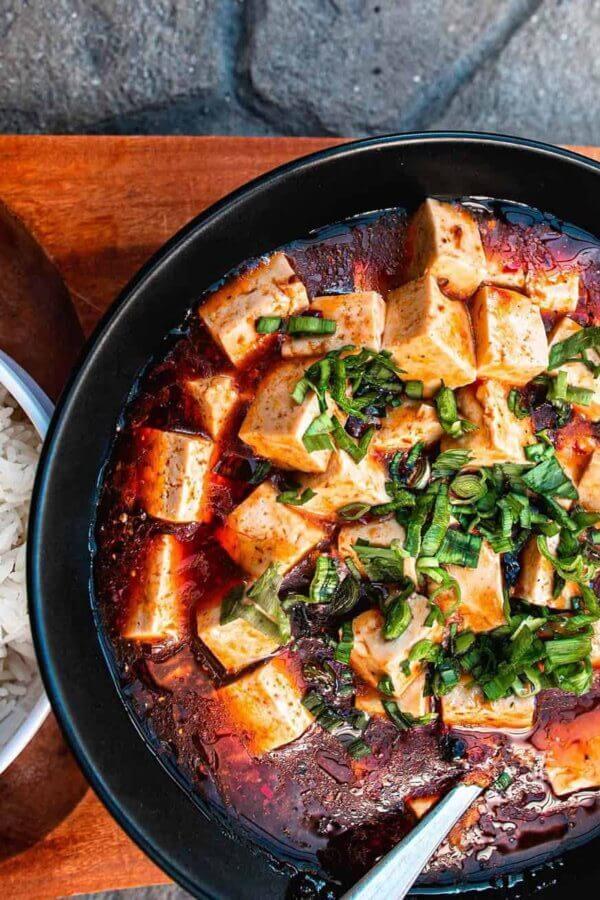
    Mapo tofu is the smell of home. One whiff of doubanjiang frying in hot oil with garlic and black beans and I am instantly transported back to a small cafeteria in Vancouver, eating a hot bowl of spicy tofu over steamed rice while wearing a white and orange ski jacket, completely broke, and completely happy. This is that recipe — the one my mom confirmed, the one a Chinese fast-food chef taught me, and the one that still makes bad days feel better.

    This post may contain affiliate links. If you purchase through these links, I may earn a small commission at no extra cost to you. Thank you for supporting Love & Harvest!

    Vegetarian Mapo Tofu

    This recipe is super versatile. It is already vegetarian as written. For a gluten-free version, use tamari instead of soy sauce, and a doubanjiang, cooking wine and black vinegar labelled gluten-free. You can make it soupier or starchier by adjusting the slurry, and you can dial the spice level up or down by using more or less doubanjiang and chili oil.

    This pairs beautifully with our Steam Preserved Vegetables with Pork or our Traditional Hong Kong Curry Chicken for a full Cantonese-style dinner spread.

    Why You Will Love This Mapo Tofu Recipe

    • Simple with easy instructions — there is a reason mapo tofu appears on every Chinese fast-food menu. It is fast, it is easy, and the results are authentic with only a few key sauces.
    • Reheat-friendly — the flavour is still exceptional after a day in the fridge. It reheats perfectly in the microwave — ideal for days when you need to be out the door quickly.
    • Authentic Cantonese home cooking — if you are looking for genuine Cantonese home-style cooking, mapo tofu is one of the most iconic and comforting recipes in that tradition.

    Ingredients

    Doubanjiang (Chili Bean Paste)

    • Why it is non-negotiable: Doubanjiang is the soul of this dish. It is a fermented paste made from broad beans, chili, and salt — deeply savoury, spicy, and complex. No other ingredient replicates its umami depth. There are spicy and non-spicy varieties; spicy is traditional. The Juan Cheng brand in the red plastic jar is the gold standard for home cooks.

    Doubanjiang Chili Bean Paste

    Dried Fermented Black Beans

    • Why they matter: These small preserved beans add a deeply savoury, earthy, slightly funky flavour that amplifies the doubanjiang without competing with it. They dissolve partially into the sauce and create an irreplaceable base note. Do not skip them or substitute with regular black beans — the fermented flavour is essential.

    Szechuan Peppercorns (optional)

    • Why they create the authentic numbing heat: The legendary “ma la” (numbing-spicy) profile of Mapo Tofu comes from Szechuan peppercorns. They create a unique tingling, almost electric sensation on the tongue that is completely different from regular chili heat. Grind them fresh and sprinkle on top just before serving.

    Szechuan Peppercorns

    Silken or Soft Tofu

    • Why texture matters here: Silken or soft tofu has a creamy, delicate texture that absorbs the sauce beautifully. Medium-firm tofu is the maximum firmness to use — anything firmer will not have the characteristic melt-in-your-mouth quality. Cut into 3/4-inch cubes and handle gently throughout cooking.

    Pro Tips

    Do Not Over-Stir

    Over-stirring will break the tofu and turn a beautiful cubed tofu stew into a murky mash. Use a slotted spoon and do slow, gentle circular stirs. Never use a fork or anything sharp.

    The Slurry Is Your Friend

    The cornstarch slurry (1 tsp cornstarch dissolved in 1/2 cup room-temperature water) thickens the sauce and coats every cube of tofu. Add it after the tofu and stir gently only once or twice — the sauce will tighten beautifully as it simmers.

    Also note: step 3 in the instructions should read “In a hot wok or pan” — “I’m a hot wok” in the original is a typo.

    Frequently Asked Questions

    Is this recipe actually Cantonese or Sichuan?

    Mapo Tofu originates from Sichuan province and is traditionally made with ground pork and Sichuan peppercorns. This version is a Cantonese adaptation — the way it has been cooked in Hong Kong-style homes and restaurants for generations. It is vegetarian, slightly less numbing, and uses a thicker sauce. Both are delicious and authentic within their respective traditions.

    Can I add ground pork to this recipe?

    Yes. Brown 100–150g of ground pork in the wok before adding the doubanjiang and black beans. The pork adds richness and protein and is how the traditional Sichuan version is made. Cook the pork until no longer pink, then proceed with the sauce as written.

    Why is my sauce not thickening?

    The slurry needs to reach boiling temperature to activate the cornstarch. Make sure the heat is turned up high enough for the pan to bubble after you add the slurry. If the sauce is still thin after 2 minutes of gentle simmering, mix another 1/2 tsp cornstarch with a tablespoon of cold water and add it to the pan.

    Can I make mapo tofu ahead of time?

    Yes. The sauce can be made up to 2 days ahead and stored in the refrigerator. Add freshly cut tofu when you reheat, as previously cooked tofu tends to become spongy. Reheat over medium-low heat and stir very gently.

    What is a good substitute for Chinese cooking wine?

    Dry sherry is the closest substitute and works very well. Mirin (Japanese rice wine) can also work but is sweeter — use a little less. If you want a non-alcoholic option, replace with chicken broth or vegetable stock plus a few drops of rice vinegar for acidity.

    How do I know when the tofu is heated through?

    When the sauce begins to bubble gently around the edges of the tofu, the tofu is heated through. At this point, turn the heat to low, cover with a lid, and cook for 10 minutes. The tofu will absorb the sauce and the flavours will deepen significantly.

    Authentic Mapo Tofu: The Way My Mom Made It

    Ma Po tofu is probably the easiest introduction to Chinese home cooking. It’s a delicious dish that will tickle all your taste buds, and my version is meat-free (the traditional one uses pork). It’s a warm, cozy dish for those colder days, like a warm tofu blanket that wraps your soul. Always served with a warm bowl of jasmine rice, it’s the kind of dish that makes you feel like you’re winning again in life, even on a bad day.
    Prep Time 10 minutes
    Cook Time 25 minutes
    Total Time 35 minutes
    Servings: 4 people
    Calories: 220

    Ingredients
      

    SLURRY
    • 1 TSP cornstarch
    • ½ cup room temperature water
    SAUCE
    • 3 TBSP canola or vegetable oil
    • 2-2.5 TBSP tablespoons doubanjiang link
    • 1 TBSP dried fermented black bean link
    • 2 TBSP garlic minced
    • 1 TBSP favourite chili oil (optional)
    • 1.5 TBSP soy sauce link
    • 1 TBSP Chinese cooking wine link
    • 2 TSP black vinegar link
    • ½ TSP brown sugar
    • 1 pound soft tofu 1 package
    • 1 stalk of green onions chopped
    • ½ TSP sesame oil link

    Method
     

    1. Prepare your tofu by slicing them into small cubes – 3/4-inch cubes. Set aside. 
    2. Prepare your slurry by mixing all the ingredients together. Set aside. 
    3. I’m a hot wok or pan, add oil. Fry the doubanjiang, black beans, garlic and ginger together until fragrant – 3 minutes.
    4. Slowly add the chili oil, soy sauce,  honest wine, black vinegar and sugar. Let it cook for another 5 minutes.
    5. Turn the heat to medium low and carefully add the tofu. Stir in the slurry and slowly with a spoon and try not to break the tofu.
    6. When the pan starts to bubble, turn the heat to low and put a lid on it and cook for 10 minutes.
    7. Serve with scallion on top and drizzle sesame oil on top. Serve with warm steamed rice. 
  • Traditional Hong Kong Curry Chicken

    Traditional Hong Kong Curry Chicken

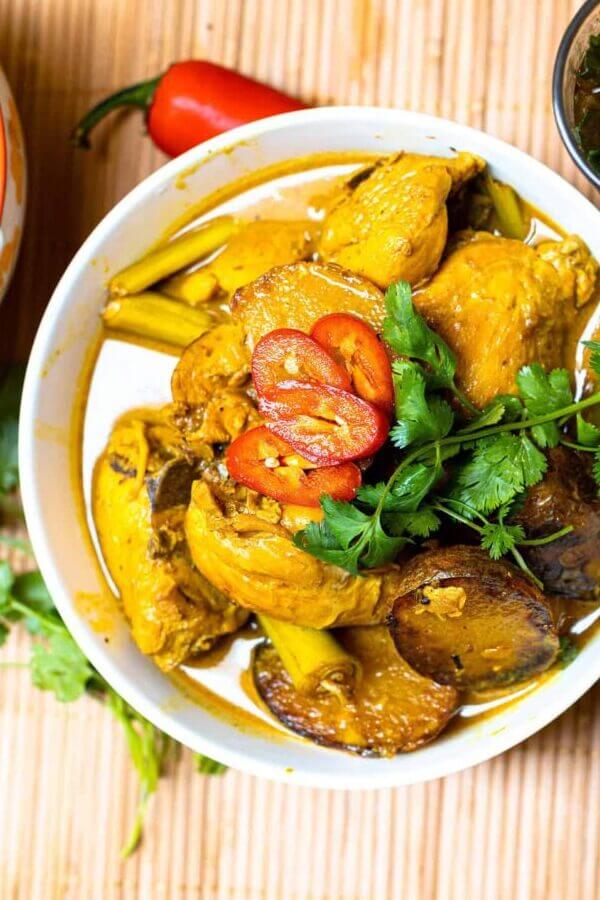
    If you have ever craved a curry that is creamy, lightly spiced, and packed with the comforting flavours of lemongrass and coconut, this Traditional Hong Kong Curry Chicken is exactly what your table needs. Passed down through Cantonese kitchens and perfected in Hong Kong cafes, this is the dish that turns a regular weeknight into something memorable.

    This post may contain affiliate links. If you purchase through these links, I may earn a small commission at no extra cost to you. Thank you for supporting Love & Harvest!

    Hong Kong curry chicken

    Hong Kong Style

    In Hong Kong, curry is called 港式咖喱雞 (Cantonese: gong sik ga lay gai). From all the different versions of curry I’ve tasted, Hong Kong curry is on the mild side.

    Though Hong Kong curry is mild, it is still super tasty with hints of lemongrass and coconut cream. I would say it’s the tropical getaway in the curry world. The lemongrass gives a citrus lift, and the island flavour of the coconut cream adds a tropical creaminess to the crowd of flavour. It’s no wonder curry plays a strong role in Cantonese cuisine.

    Even though you’ve never visited Hong Kong or lived there, you can still find Hong Kong style curry anywhere with a large Chinese community — at Asian cafeterias, fast food stores, restaurants, and especially at Hong Kong cafe restaurants. Besides the variety of curry you can find, you can also find a variety of meats like chicken or beef (called 港式咖哩牛腩). Vegetarian is also an option.

    Like all the different versions of curry you can find in the world, the difference is in the spice blend. If you’re in the Hong Kong area, I’ve heard Choi Hop Lee 財合利 in Hong Kong (Wanchai) is the place to find authentic Hong Kong flavour — they make their own Hong Kong curry powder and paste.

    History of Hong Kong and Curry

    When you travel to Hong Kong, you will find people from all parts of the world. Once upon a time, Hong Kong was renowned as the financial hub of Asia. During the colonial years, the British government mobilized many Indian and Nepalese soldiers to Hong Kong. They brought over their food and spices and began the curry expansion in the city. It became popular to serve curry in restaurants to cater to the new community of people.

    Though the traditional curry brought over by Indians was strong in flavour, Hong Kong mellowed it down and made it sweeter to fit the local palate. They used coconut cream to help cut the spice, and incorporated Malaysian curry paste — more adaptable and favoured by the local population.

    Why You’ll Love This Recipe

    • Irresistibly delicious — this curry has lemongrass, turmeric, onion, and coconut milk. It has all the tropical sweet and savoury taste that is mouthwatering. The smell of the curry is not strong, but soft and tropical.
    • Easy to make — sauté the onion, add the marinated chicken, and let it simmer in chicken stock. The last 5 minutes of cooking, add in the coconut milk. Sounds easy? Because it is!
    • Still tastes great the next day — some food is best served fresh, but this curry is great the next day. Reheat and serve.

    Ingredients

    Curry Powder

    There are many different kinds of curry powder out there. Each country in Asia has their own flavour and heat level. For this recipe, I like to use Madras Curry Powder — the flavour leans more Chinese than Indian and it’s perfect for this dish.

    • Why it matters: Curry powder is the backbone of the entire dish. Using a quality powder with turmeric, cumin, and coriander makes all the difference in depth of flavour.

    Lemongrass

    Using lemongrass in curry is a Malaysian style that Hong Kongers love. Lemongrass gives off a tropical, vibrant taste and really brightens the entire dish.

    • Why it matters: Lemongrass is what separates Hong Kong curry from other regional curries. It adds a citrus, almost floral lift that balances the richness of the coconut cream.

    Coconut Milk

    The thickness of coconut cream makes the sauce less watery. The flavour of coconut adds sweetness that counteracts the strong spices in the curry, creating a balanced palate. Always add coconut cream when the dish is almost done — never boil it.

    • Why it matters: Coconut milk is the finishing touch. It rounds out the spice, adds body, and delivers that creamy tropical colour. Use a quality brand like Chaokoh Coconut Milk for best results.

    Evaporated Milk

    This is a secret weapon ingredient. Many Cantonese cooks (my grandfather included) add evaporated milk into the curry for a subtle dairy sweetness. Not too much — just enough to balance the spice and salt and give the curry more depth.

    • Why it matters: This is the ingredient that distinguishes Hong Kong curry from other Asian curries. It adds a creamy richness that is different from coconut milk alone.

    Professional Tips to Get Your Curry Tasting Like a Real Hong Kong Style Cafe

    Pro Tip #1 — Fry the Potatoes First

    I love frying the potatoes before adding them to the curry. All Hong Kong curry has potatoes — it’s a must. Frying the potatoes helps them hold together in the stew and prevents them from breaking up into starchy clumps.

    Pro Tip #2 — Make the Roux

    Roux is a cooked mixture of flour and fat. It is how we thicken the soup base. In classic French cooking the fat is butter, but in Hong Kong cooking oil is typically used. Do not walk away from this step — the roux burns fast.

    Pro Tip #3 — Do Not Boil the Evaporated Milk and Coconut Cream

    Evaporated milk and coconut cream should never reach boiling point. That is why these two ingredients are added at the very end. They are meant to offset the strong spice flavour and balance the dish.

    If you love Cantonese chicken recipes, also check out my Classic Hainanese Chicken and Soy Sauce Chicken (Cantonese Style) — two dishes that pair beautifully alongside this curry.

    Hong Kong curry chicken

    Frequently Asked Questions

    What makes Hong Kong curry different from Indian or Thai curry?

    Hong Kong curry is much milder than Indian or Thai curry. It uses a blend of Madras-style curry powder, lemongrass (borrowed from Malaysian cooking), and coconut cream or evaporated milk to create a sweeter, creamier result. The heat is gentle enough for children, making it a true family dish.

    Can I use boneless chicken thighs instead of a whole chicken?

    Yes. Boneless thighs work very well and cut down on cooking time. Bone-in pieces are traditional and add more flavour to the sauce, but boneless thighs are a great weeknight shortcut. Cook until the internal temperature reaches 165°F (74°C).

    Can I make this recipe without potatoes?

    You can, but potatoes are a defining feature of Hong Kong curry. They absorb the sauce and add body to the dish. If you leave them out, the sauce will be thinner. You could substitute with sweet potato, taro, or butternut squash for a similar effect.

    What should I serve with Hong Kong curry chicken?

    Jasmine rice is the classic pairing — it soaks up the sauce beautifully. You can also serve it over rice noodles, or with a side of steamed bok choy or Chinese broccoli to round out the meal.

    Can I make this curry ahead of time?

    Yes — this curry is even better the next day once the flavours have had time to meld. Store in an airtight container in the refrigerator for up to 3 days. Reheat gently on the stovetop and do not let it boil once you reheat, to preserve the coconut cream.

    Can I freeze Hong Kong curry chicken?

    Yes, though the potatoes can become slightly mealy after freezing. Freeze the curry without the potatoes if you plan to make a large batch, then add freshly cooked potatoes when reheating. The curry base freezes well for up to 2 months.

    Hong Kong Style Curry

    Delicious traditional Hong Kong style cafe curry chicken. Subtle flavour in spice, but still tons of flavour to leave an impactful meal. Also light and citrusy from lemongrass to fit any picky eater. It the perfect family meal option that keeps the dinner table warm and cozy. Print Recipe Pin RecipePrep Time:20 minsCook Time:30 minsCourse: Main CourseCuisine: ChineseKeyword: Cantonese CuisineServings: 4 people

    Ingredients

    Chicken Marinate

    • 1 whole chicken organic, free ranged
    • 2 tbsp turmeric powder
    • 1 tbsp salt

    Curry

    • ½ cup oil
    • 4-5 medium sized potatoes cut into medium size knobs
    • ½ white onion diced
    • 3 garlic cloves grated
    • 5 shallots chopped
    • 1 thumb-sized ginger sliced into thick slices
    • 3 red eye chili / red chili sliced
    • 2 tbsp Hong Kong curry powder / curry powder
    • 3 tbsp reserved oil
    • 2 tbsp flour
    • 2 lemongrass stalks
    • ½ cup water / chicken stock
    • ½ cup coconut cream
    • ½ cup evaporated milk
    • 2 TSP sea salt

    Instructions

    • Clean the inside and outside of the chicken. Pat dry. Cut the chicken into pieces. Separate the wings, legs, and breast. I like to debone the chicken and freeze the carcass for chicken soup later. Marinate the chicken in salt. Let it sit in the fridge.
    • In a large wok, add the 1/2 cup oil. When the wok is hot, add the potatoes and fry for about 5-8 minutes, or until you see the edges slightly brown. Place them on a plate with a paper towel.
    • With the same oil in the wok, use only 3 tbsp of oil and reserve the rest. Add the onion, garlic and shallots. When the onion is softened, add the ginger, chili, curry powder and turmeric. Fry until aromatic (3-5 minutes).
    • Add the chicken pieces and fry until the skin has color. Remember to stir constantly so it doesn’t stick to the bottom.
    • Once all the chicken is slightly browned, remove everything to a plate.
    • On the same pan, add in 3 tbsp of the reserved oil. Add the flour into the pan and fry until fragrant. Do not walk away from this step.
    • Once the flour is brown, take out your whisk and start to stir the flour around. Add the chicken stock while whisking the flour. Try to break up the flour in the chicken stock. You should not see any flour clumps at this point.
    • Add the chicken back to the pan, along with the lemongrass. Simmer on medium heat for 20-25 minutes.
    • For the last 5 minutes, add the evaporated milk, coconut cream, and salt to taste. Let it simmer on low for 5 minutes. Do not let it boil.
    • Serve with warm jasmine rice.